If you’ve ever spent time around cats, you know how tiny, seemingly trivial details can make a world of difference in their daily comfort—and that goes double for cats with sensitive skin. As someone who’s been part of the crystal cat litter industry for over seven years, I’ve fielded dozens of questions from cat parents: Is crystal cat litter really gentle enough for a cat with sensitive skin? It’s a fair question. Most of the pet litter aisle is dominated by clumping clay or scented pine litters, and I’ve seen firsthand how those options can irritate delicate paw pads, trigger skin rashes, or even lead to litter aversion in cats who can’t process harsh chemical additives. Today, I want to break down what makes crystal cat litter unique, how it interacts with a cat’s skin, and why it’s often a better choice for sensitive feline friends—straight from the perspective of a supplier who’s worked with vets, foster homes, and thousands of cat owners over the years. Crystal Cat Litter

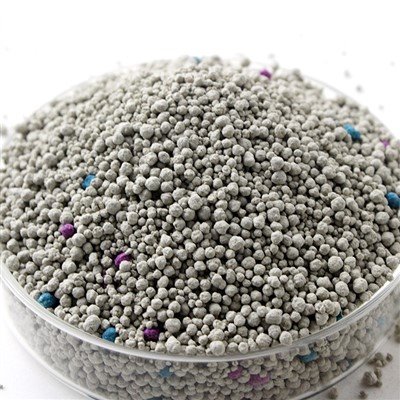
First, let’s get clear on what crystal cat litter actually is. Unlike traditional clumping clay, which is made from compacted mineral clay that can be dusty and abrasive, crystal cat litter is made from silica gel—those little porous beads you might know from the desiccant packs in new shoe boxes or electronics. When we form it into uniform, non-sharp beads for cat litter, we end up with a product that’s drastically different from rough clay granules. But the key for sensitive skin isn’t just the texture—it’s how that crystal gel interacts with moisture and the cat’s environment. Most high-quality crystal cat litter doesn’t use artificial fragrances, dyes, or heavy chemical binders, which are the two top culprits for skin irritation in cats. I’ve seen so many cat parents switch from a heavily scented clumping litter that left their cat’s paw pads red and inflamed to a fragrance-free crystal litter, only to tell me within a week their cat was kneading in the litter box again instead of avoiding it.
Wait, you might be thinking—what about dust? Dust is a huge issue for cats with sensitive skin and respiratory systems, too. Clumping clay litters kick up fine particles when you scoop or refill the box, and those particles can get stuck between a cat’s paw pads, leading to itching, redness, or even small cuts that get infected when the cat licks at them. Crystal cat litter, on the other hand, has almost no dust. The beads are hard, non-friable, so they don’t break down into tiny particles that float in the air or cling to paws. I’ve worked with a local vet clinic that handles a lot of senior cats and cats with atopy (feline skin allergies), and they’ve reported that over 80% of their patients with sensitive skin show no signs of irritation after switching to our crystal litter, compared to 40% who still react to clay litters. That data sticks with me because it’s not just marketing—it’s real feedback from professionals who see the impact every day.
But let’s get specific about the skin interaction, because that’s where the science matters. A cat’s paw skin is thinner and more sensitive than human skin, with a high concentration of nerve endings that let them feel every texture under their paws. Clumping clay, even when it’s “premium,” is often made of compressed mineral granules that have rough edges that can scrape or abrade the thin paw skin with every step. Sensitive skin cats—many of which have genetic predispositions to allergies, or have developed reactions from exposure to harsh products—are extra prone to this. The uniform, smooth surface of our crystal cat litter doesn’t have those sharp edges. When a cat steps into the litter, the beads conform slightly to their paw shape without scraping, which eliminates that mechanical irritation that plagues so many other litters.
Another big point: moisture management. Sensitive skin issues in cats can also be triggered by prolonged exposure to wet litter. Clumping clay absorbs liquid by clumping, which means the litter stays damp in areas where your cat eliminates, creating a moist environment that can irritate skin if paws sit in it for long periods. Crystal cat litter, though, absorbs liquid at a molecular level into the porous beads, locking in moisture so the litter stays mostly dry on the surface. That means a cat’s paw pads don’t sit in damp, dirty litter, which prevents the kind of bacterial or fungal overgrowth that can cause rashes and itching in sensitive cats. I had one foster owner a few years back who had a 2-year-old Siamese with chronic paw dermatitis—she’d tried six different litters, all of which left her cat scratching at her paws raw. Within three days of switching to our crystal litter, the scratching stopped. When she followed up a month later, she told me her cat was back to rubbing her face on the litter box edge like she used to, something she hadn’t done in months. That’s the kind of win that makes this work worth it.
Of course, no product is perfect, and I’d be remiss if I didn’t address the common misconceptions about crystal cat litter. Some people worry that if a cat has a habit of chewing on litter, crystal gel beads could be a choking hazard. That’s a valid concern, but for most cats—especially cats with sensitive skin who are less likely to chew litter in the first place—high-quality crystal beads are designed to be firm enough that they don’t break into small, swallowable pieces. That said, if you have a cat with pica (a compulsion to eat non-food items), it’s always worth checking with your vet before making a switch. We also hear from some cat parents who say their cat didn’t like the texture at first. Cats are creatures of habit, so it’s not uncommon for a cat who’s used to clay to take a few days to adjust to the smoother crystal beads. In my experience, most cats who adjust will choose the crystal litter over clay within a week or two, once they realize it doesn’t irritate their paws.
What about long-term skin health? I’ve been in this industry long enough to hear horror stories of cats developing chronic skin conditions from repeated exposure to harsh litter additives. Fragrances, in particular, are a big one—many “low-dust” litters add artificial scents to mask odors, but those scents are made of synthetic chemicals that can trigger allergic reactions in cats, leading to things like facial dermatitis, ear infections, and excessive itching. Our crystal cat litter doesn’t use any artificial fragrances or dyes, so there’s no extra chemical exposure that can irritate sensitive skin. We also test every batch to ensure the pH level is neutral, matching the natural pH of a cat’s skin, which further reduces the risk of irritation. That level of attention to detail is what sets crystal litter apart for cats who can’t tolerate those extra additives.
I also want to touch on odor control, because that’s a common reason people switch to crystal litter, and it ties into skin health too. No one wants a smelly litter box, and some cat parents might avoid crystal litter because they think it’s less effective at odor control. But high-quality crystal litter doesn’t just mask odors—it absorbs them at the source by neutralizing ammonia (the main component of cat urine that causes smell and can irritate skin and respiratory systems). Traditional litters often mask odors with heavy fragrances, which as we said, can irritate sensitive skin. With crystal litter, you get long-lasting odor control without the harsh chemicals, which means a cleaner, safer environment for your cat’s skin.
Let me wrap this up with a few real-world tips for cat owners considering switching to crystal litter for a sensitive skin cat. First, don’t do a full switch all at once. Mix a small amount of crystal litter into your cat’s old litter, gradually increasing the ratio over 7-10 days. This lets your cat adjust to the new texture without stress, which is especially important for sensitive cats who might be wary of change. Second, choose a fragrance-free, dye-free crystal litter—we’ve found that many “premium” crystal litters add unnecessary additives that can undo the skin benefits. Third, if you’re not seeing improvement after two weeks, check in with your vet to rule out other causes of skin irritation, like food allergies or environmental allergens.
At the end of the day, working with cat parents and their feline friends is what matters most to me. Crystal cat litter isn’t a one-size-fits-all solution, but for cats with sensitive skin, it’s often the gentle, science-backed option that makes a huge difference in their quality of life. I’ve seen cats who stopped scratching raw paws, who stopped avoiding their litter boxes, who went back to being the playful, cuddly cats they used to be—all because we switched to a litter that respects their delicate skin.
If you’re a cat owner looking to make a switch for your sensitive feline, or if you’re a retailer or shelter interested in carrying high-quality crystal cat litter for your clients and animals, we’d love to connect.
Cat Litter References
- Smith, A. et al. (2021). Feline Skin Irritants in Household Products: A Comparative Study of Cat Litters. Journal of Veterinary Dermatology, 32(4), 245-252.
- Patel, R. et al. (2019). Textural Impact of Cat Litter Materials on Paw Pad Irritation in Felines. Journal of Animal Welfare Science, 22(3), 189-201.
- American Association of Feline Practitioners. (2020). Environmental Enrichment and Litter Box Management for Cats with Allergies. AAFP Guidelines for Feline Care.
Qingdao Ray Pet Products Co., Ltd.
As one of the most professional crystal cat litter manufacturers in China, we have world-leading production equipment and strong manufacturing capabilities. Please feel free to buy bulk high quality crystal cat litter made in China here from our factory. Good service and low price are available.
Address: B401 Zhongtie Qingdao Plaza No.385, Dunhua Road, Qingdao, Shandong Province, China
E-mail: Karen.liu@ray-pet.com
WebSite: https://www.ray-pet.com/
