When I first started working as an outdoor LED module supplier 12 years ago, I’d guess I fielded the same question 47 times a week from new customers: “What’s the input voltage for these modules?” Back then, most folks in the architectural lighting and outdoor sign industries worked with high-voltage AC gear they’d used for decades—240V, 120V, whatever matched their local grid. LED modules felt foreign, and voltage felt like a huge, scary variable. Over the years, though, I’ve come to realize that this question is actually the first step toward getting a setup that works, lasts, and doesn’t drain a client’s budget. It’s not a trick question, and it’s not a one-size-fits-all number—so let me break down what every outdoor lighting designer, sign fabricator, and facility manager needs to know, straight from someone who’s sold these modules under all kinds of weather and use cases. Outdoor LED Module
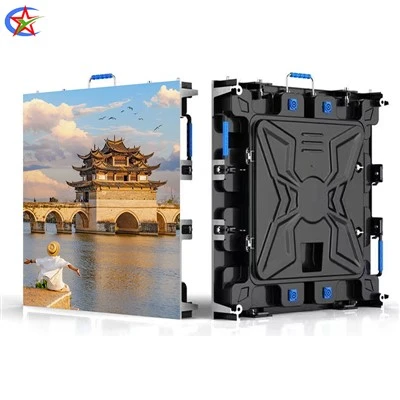
First, let’s clear up a common mix-up: when we talk about “input voltage” for outdoor LED modules, we’re not talking about the voltage that runs the LED chips themselves. Those tiny diodes inside every module only need 2V to 3.5V DC to light up, and they pull tiny amounts of current—so low you could barely feel it if you touched the leads (don’t do that, though; soldered connections can get hot). The input voltage is the juice that feeds the entire module, a separate power source that steps up or down the grid’s AC power to something the module can handle safely. That’s where the confusion starts, because not all outdoor LED modules are built to take the same input.
Most of the modules we ship from our warehouse fall into two main input voltage categories: low-voltage DC (usually 12V or 24V) and line-voltage AC (120V or 277V). Let’s start with the low-voltage ones, since those are the most popular for residential outdoor lighting, small commercial signs, and landscape projects. I’ve sold thousands of 12V DC modules for garden path lights, patio step lights, and even small architectural accent lighting, and here’s why they work so well for outdoor use: they’re extra safe. If a wire gets cut by a lawn tool, or water splashes onto a connector, 12V DC is low enough that the risk of electric shock is practically zero. That’s a big deal when you’re dealing with damp ground, rain, or people walking near the lights.
Wait, but why 24V DC instead of 12V for some setups? Good question. For larger projects—like a 50-foot sign that needs 20 modules, or a long strip of outdoor string lights spanning 30 feet—24V DC is the sweet spot. When you run low-voltage power over a long distance, the wire loses some power as heat, a thing called “voltage drop.” If you run 12V over a 50-foot wire, by the time the power reaches the last module, it might drop to 10V, making the LEDs dimmer and uneven. 24V cuts that voltage drop in half, so you can run longer runs without losing brightness. I always recommend 24V DC for any outdoor setup that’s more than 10 modules total, because it saves you on wire costs too—thinner wire works for 24V, which adds up over a big project.
Now, the line-voltage AC modules. These are the ones that hook straight up to your building’s existing AC wiring, no extra low-voltage transformer needed. A lot of big-box stores sell 120V AC modules for small signs and outdoor floodlights, but 277V is way more common for commercial projects—think office building facades, highway billboards, or parking lot lighting. Here’s the thing about line-voltage: it’s what you’re used to in your walls, so it can save time on installation. No need to add a big transformer somewhere near the modules, which means less wiring, less labor, and lower upfront costs. But it’s also higher voltage, so you have to be careful with installation. We always warn customers to use a licensed electrician for line-voltage modules, because a mistake there can lead to shock hazards, especially outdoors where moisture is constant.
I get asked all the time, “Can I use a 120V AC module on 277V power?” No, absolutely not. That’s a quick way to burn out the module’s driver within a week. And you can’t do the reverse either—277V modules will only work on their rated voltage, and trying to run them on 120V will make them dim and short-lived. That’s why getting the input voltage right is the first step, before you even pick the module’s brightness or color temperature.
Now, what about the exceptions? Are there any outdoor LED modules that don’t fit these four categories? Occasionally, we get custom orders for specialty projects—like remote off-grid lighting powered by solar panels, which often uses 12V or 24V DC, same as our standard low-voltage modules. But for grid-tied projects, those four (12V DC, 24V DC, 120V AC, 277V AC) make up 98% of what we supply. I once had a customer who wanted to build a custom outdoor marquee for a small town festival, and he thought he needed 48V DC—turns out he could use our 24V modules with a slightly bigger transformer, which saved him a ton of money instead of going for a custom component. That’s the kind of chat I love to have, because it’s not just about selling a module—it’s about making sure it works for what he needs.
Another thing to keep in mind: environmental factors affect input voltage, too. Outdoors, modules have to handle temperature swings from 100°F in the summer to 20°F in the winter, rain, snow, and even salt spray near coasts. That means their power drivers are built to handle a range of input voltages, not just a single number. For example, our 120V AC modules have a “line voltage tolerance” of 100V to 130V, so even if your local grid dips to 110V or jumps to 125V during peak use, the module won’t burn out. Same with our 277V AC modules—they handle 260V to 290V, which covers almost all commercial power grids in North America. I’ve had customers tell me their lights have been running for 8 years through hurricanes and deep freezes, and that tolerance is why they haven’t failed.
Wait, what about LED modules for extreme outdoor use, like highway signs or airport runway markers? Those have even stricter input requirements. We supply modules for highway signs that use 12V DC, but their drivers are rated for heavy vibration and constant exposure to road grime and salt. For airports, some use 28V DC, which is standard for aircraft power, but that’s a super niche case, and we only make those for specific government contracts. Most of our day-to-day customers don’t need that level of specialization, but it’s good to know that if you’re working on a project in a harsh environment, we can adjust the input voltage to match, as long as you tell us the details upfront.
Let’s talk about common mistakes I see new customers make. One big one is buying a module just based on brightness, without checking input voltage. I had a guy come to me last year with a box of modules he bought online, all 50W super bright ones, and when he plugged them in, they burned out in 3 days. Turned out he ordered 120V AC modules, but he was wiring them to his 12V low-voltage landscape transformer. That’s a $200 mistake, just because he didn’t ask the right question. Another mistake: using the wrong transformer. If you have a 12V DC module, you need a transformer that puts out 12V DC, not 12V AC. AC transformers will make low-voltage LEDs flicker and die fast. I always tell customers: if you’re unsure, send me a photo of your current setup, or tell me what kind of power you have available, and I’ll point you to the right module.
Now, how do you figure out what input voltage you need? Let’s break it down into simple steps, no engineering degree required. First, ask yourself: is this a small residential or landscape project (fewer than 10 lights, wires less than 30 feet apart)? If yes, 12V DC is your go-to. For larger projects (10+ modules, wires over 30 feet), 24V DC will save you money and prevent dimness at the far end. If you’re hooking up to existing wall power (for signs, floodlights, or building fixtures), check what voltage your building uses: most homes are 120V, most commercial buildings are 277V. For off-grid projects (solar, generators), 12V or 24V DC modules will work best, since that’s what solar panels and batteries produce.
I also want to mention efficiency, because input voltage ties directly to energy costs. Low-voltage modules (12V, 24V DC) are often a bit more efficient for small runs, but line-voltage modules (120V, 277V AC) are more efficient for large installations because you don’t lose power in a transformer. Wait, let’s put that in perspective: a single 120V LED module uses about 10W, so it costs less than a dollar a year to run, vs. an old 100W incandescent outdoor bulb that costs $12 a year. That’s the real benefit of LEDs, and getting the input voltage right ensures you get that efficiency, not waste power on mismatched components.
Over the years, I’ve learned that the best relationships with customers don’t end when we ship the module. They start when we talk about what they need. Last month, a small restaurant owner came to me wanting to replace his old neon sign with LED modules, and he thought he needed 277V because his building was wired for that. I checked his space, and turns out he had 120V power available near the sign’s mounting spot, so we went with 120V modules, which cost him 20% less than the 277V ones would have. He saved money upfront, and the installation was easier because his electrician didn’t have to run new wiring. That’s the kind of value I’m proud to provide as an outdoor LED module supplier, not just selling parts, but helping customers make the right choices.
So, to circle back to that original question: what is the input voltage of outdoor LED modules? It’s not a single number, it’s a range that matches your project, your power source, and your environment. For most people, it’s 12V DC, 24V DC, 120V AC, or 277V AC. The key is to match that input voltage to your existing power, your project size, and your location’s conditions. Skip the guesswork, don’t buy modules that don’t fit, and if you’re unsure, reach out.
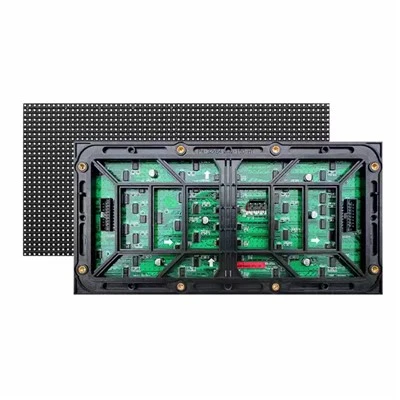
Whether you’re a designer working on a commercial facade, a homeowner updating your backyard lights, or a sign fabricator building a new storefront, getting the input voltage right is the foundation of a long-lasting, cost-effective outdoor LED setup. We’ve supplied outdoor LED modules for thousands of projects across the country, and we know the ins and outs of every input voltage option, from small residential jobs to large industrial installations. If you’re planning a project and want to chat about which module is right for you, we’re here to help.
Indoor LED Display References
- Illuminating Engineering Society. (2020). IES Lighting Handbook: Outdoor Lighting Applications.
- National Electrical Code (NEC). (2023). Article 410: Outdoor Lighting Systems.
- LED Lighting Association. (2021). Low-Voltage vs. Line-Voltage LED Module Performance.
- US Department of Energy. (2022). Outdoor LED Lighting: Installation and Efficiency Guidelines.
Shenzhen Starcolor Optoelectronics Co., Ltd.
As one of the most professional outdoor led module manufacturers and suppliers in China, we’re featured by quality products and good price. Please rest assured to wholesale discount outdoor led module in stock here from our factory. Customized orders are welcome.
Address: 2nd floor, Building A, Hongjingda Industrial Park, Shiyan town, Bao’an District, Shenzhen
E-mail: starcolorled@outlook.com
WebSite: https://www.starcolordisplay.com/
