If you’ve ever dealt with a leaking pipe, whether it’s a busted residential line, a municipal water main, or an industrial process pipeline, you know how urgent it is to fix the issue fast. That’s where repair clamps come in—they’re the go-to for quick, reliable fixes that don’t require full pipe replacement. But here’s the thing I get asked all the time: “How much does a repair clamp actually cost?” It’s not a one-size-fits-all number, and as someone who’s been supplying these clamps for years, I’m gonna break down exactly what goes into that price, no corporate jargon, no hidden fine print. First, let’s get one thing straight: a repair clamp isn’t just a hunk of metal you strap over a leak. It’s engineered to hold pressure, resist corrosion, and last for decades—so the cost isn’t just for the parts you see, it’s for the testing, materials, and expertise that goes into making something that works when you need it most. Let’s start with the basics: what even determines the cost? Let’s run through the biggest factors that drive price, because that’s where most people get confused. First, pipe size. That’s the #1 variable. A 2-inch clamp for a small residential copper line is way cheaper than a 48-inch clamp for a municipal steel water main. Makes sense—bigger pipes need bigger clamps, which use more material, more labor to manufacture, and have to handle way higher pressure. For example, a standard 2-inch repair clamp might run $80 to $150, while a 30-inch clamp for a heavy-duty pipeline can be $1,200 to $3,500. But size isn’t just about diameter—pipe material matters too. Copper, PVC, steel, cast iron, HDPE? Each needs a different clamp design. A clamp for rigid steel has to have a rigid sealing surface to avoid gaps, while a clamp for flexible HDPE needs softer gaskets that conform to the pipe’s slight bends. That means different materials for the clamp body and gaskets, which changes the price. Gaskets are a huge part of that. You can get a basic neoprene gasket for low-pressure, non-potable lines (like a backyard sprinkler) that’s cheap, but for potable water or industrial lines with chemicals, you need EPDM, Viton, or silicone gaskets—those resist deterioration, don’t leach into water, and hold up to harsh substances. A clamp with a Viton gasket can cost 20-30% more than the same clamp with neoprene, but it’s worth it to avoid a leak down the line that could cause way bigger costs. Then there’s pressure rating. Repair clamps aren’t one-pressure-fits-all. Low-pressure lines (like residential service lines, 100 PSI or less) use basic clamps, but industrial or municipal lines can run 150, 200, even 300+ PSI. High-pressure clamps have thicker bodies, stronger bolts, and more robust sealing systems to handle that force—so they cost more. I’ve seen someone try to use a low-pressure clamp on a 200 PSI line and end up with a blown clamp 6 months later, costing them twice as much to replace the clamp and fix the water damage. Paying a little extra for the right pressure rating saves you a headache later. Now, what about the type of clamp? Not all repair clamps are the same. There’s the standard split-sleeve clamp (the most common one you see used for leaks), which is two halves that bolt around the pipe, great for straight leaks. Then there’s the adjustable clamp, which works on slightly misaligned pipes or small diameter differences (perfect if you’re dealing with old pipes that have shifted over time). Then there’s the elbow repair clamp, tee repair clamp, and flange repair clamp for fixing leaks around fittings, not just straight pipe. Specialty clamps for those non-straight spots cost more because they’re custom-shaped, not just a basic split-sleeve. Okay, so now we’re talking about material costs, but wait—what about quality? A lot of people shop around and see a $50 repair clamp for a 2-inch line and immediately think they’re getting a deal, but trust me, that’s not a bargain. That clamp is probably made of thin, low-grade steel that will rust in a year, or has a cheap gasket that will tear under pressure. We test every single one of our clamps to make sure they meet AWWA (American Water Works Association) standards, which are the industry benchmark for reliability. I remember a customer who bought a cheap clamp online for a 4-inch cast iron line—within 3 months, the body cracked from rust, and they had a flood in their basement. Total cost to them: $300 for a new clamp, plus $1,500 in water damage, plus plumbing bills. The premium clamp from us would have been $180, and it would have lasted 10+ years. That’s the thing about repair clamps: the cheapest price almost always leads to higher costs down the line. Now, let’s get specific about price ranges so you have a real idea of what to expect, no vague numbers. For residential use, like fixing a small leak in a copper or PVC service line: 1-inch to 2-inch clamps. Basic, low-pressure, potable-safe. Price range: $75 to $200 each. That’s for standard split-sleeves with EPDM gaskets, rated for 150 PSI, which is more than enough for residential lines. For commercial or light industrial use: 3-inch to 12-inch lines, medium pressure (150-200 PSI). These are a step up, with thicker bodies, heavy-duty bolts, and gaskets that can handle mild chemicals or non-potable water. Price range: $250 to $800 each. For municipal or heavy industrial: 14-inch to 60+ inch lines, high pressure (200-350 PSI). These are built to last, often made of ductile iron, with stainless steel hardware and gaskets like Viton for harsh environments. Price range: $900 to $4,000 each. Wait, but what about bulk orders? If you’re a municipality or a contractor buying 10, 50, or 100 clamps, you can get a volume discount—usually 10-15% off for bulk, which is a big help for big projects. Also, if you need custom sizes, like an oddball 8-inch line that’s not standard, you might pay a little extra because we have to machine the body and gasket specifically for that size, but it’s still way cheaper than replacing the whole pipe. Now, what extra costs should you factor in? Because the clamp price isn’t the only thing you’ll pay. If you’re doing the installation yourself, you’ll need tools: a wrench, maybe a pipe cutter, and if you’re working on a large clamp, a helper to lift it. But if you’re hiring a plumber or contractor, their labor cost is separate—usually $150 to $300 per hour, depending on where you are, and that adds up fast. That’s why picking the right clamp the first time matters; you don’t want to waste time and money on a clamp that doesn’t fit and have to redo the job. Another thing: shipping. For small clamps, shipping is cheap, but for large, heavy clamps (like the 48-inch ones), shipping can add $100 to $300 to the total cost. We offer free shipping on bulk orders over a certain amount, which is a nice perk for our customers. I also get asked all the time: can you reuse a repair clamp? Short answer: no. Repair clamps are designed for one-time use on a single leak. Once you remove the bolts and take the clamp off, the gasket is stretched or compressed, so it won’t seal right if you put it back on. You’ll need a new clamp every time, so that’s another reason to get the right one the first time. Let’s talk about common myths, too. A lot of people think “a clamp is a clamp” and just pick the cheapest one. But I’ve seen so many issues come from that. Last year, a contractor used a discount clamp on a cast iron line that was leaking near a joint. The clamp’s gasket was too thin, so water seeped under it, corroding the pipe more. They ended up having to cut out a 3-foot section of pipe and replace it, which cost them $2,000 extra. If they’d spent $50 more on a quality clamp made for cast iron, they would have been done in an hour. The other myth is that you have to replace the whole pipe every time there’s a leak. Repair clamps are a cost-effective alternative that can extend the life of a pipe for 10-20 years, if you pick the right one. So the cost of a repair clamp isn’t just the upfront price—it’s the value of not having to deal with a full pipe replacement, which can cost thousands of dollars (we’re talking $50 per foot or more to replace a water main, not including labor). Now, if you’re trying to figure out which clamp you need, here’s a quick checklist: 1. Know your pipe size (measure the outside diameter, not the inside—this is super important, because if you measure wrong, the clamp won’t fit). 2. Know what the pipe is made of (copper, PVC, steel, cast iron, HDPE). 3. Know the pressure rating of your line. 4. If the leak is on a joint, tee, or elbow, you’ll need a specialty clamp, not a standard split-sleeve. If you’re not sure, just reach out to us—we help customers figure out exactly what they need, no sales pitch, just straight advice. We’ve worked with residential homeowners, small contractors, and big municipal teams, so we know how to match the right clamp to the job without wasting your money. At the end of the day, the cost of a repair clamp is an investment in avoiding a way bigger mess. It’s way cheaper to fix a leak with the right clamp than to deal with water damage, pipe replacement, and downtime. If you’re looking for quality repair clamps that meet industry standards, have competitive pricing, and come with the support to get the right fit for your project, get in touch to discuss your needs and get a customized quote. Don’t settle for cheap, low-quality clamps that will fail—spend a little more now to save a lot later. Repair Clamp
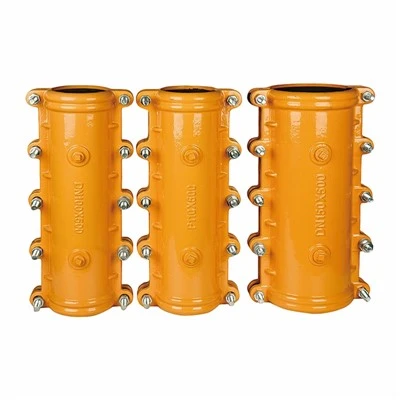
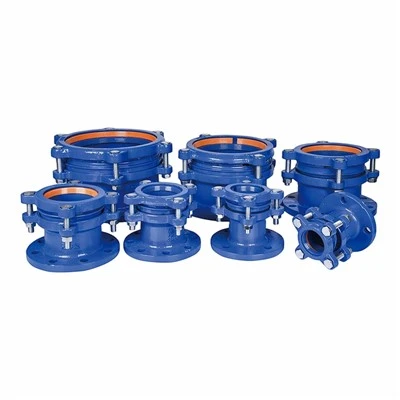
Elbow Repair Clamp References:
- American Water Works Association. (2021). Standard for Rubber Gaskets for Pipe Joints and Repairs. AWWA C550.
- Smith, J. (2022). Pipeline Repair Technologies: Cost-Benefit Analysis of Clamp Systems. Journal of Construction and Pipe Maintenance, 14(2), 45-58.
- National Association of Water Companies. (2023). Best Practices for Residential and Commercial Pipe Repairs. NAWC Technical Bulletin 2023-04.
Fujian Fufa Valve Manufacturing Co., Ltd.
As one of the most professional repair clamp manufacturers and suppliers in China, we’re featured by quality products and good price. Please rest assured to buy durable repair clamp made in China here from our factory. Welcome to view our website for more information.
Address: Meilin Xikou Industrial Zone, Nan’an City, Quanzhou City, Fujian Province
E-mail: hongwenjin@fufafamen.cn
WebSite: https://www.fufavalve.com/
