If you’ve ever stood in front of a framed family photo, a vintage artwork, or a well-loved poster, staring at that thin layer of dust hovering on the glass or the wood frame, you’ve probably wondered two things: Is that dust actually damaging what’s inside? And can my go-to duster (the one I use on bookshelves, baseboards, and even my kitchen counter) handle it without leaving streaks, scratches, or worse? As someone who’s spent the last 12 years designing and manufacturing dusters for both residential and commercial spaces, I get this question all the time—not just from homeowners, but from gallery curators, small business owners, and even antique collectors stopping by my workshop. The short answer? Yes, dusters absolutely can be used on picture frames—but only if you pick the right duster, use the right technique, and know which frames to avoid with your go-to cleaning tool. Let’s break this down, because it’s not a one-size-fits-all answer, and getting it wrong can ruin a frame you’ve had for decades. Dusters
First, let’s talk about why dust is a bigger deal for picture frames than, say, a plastic storage bin. Dust isn’t just fine dirt; it’s a mix of skin cells, textile fibers, pollen, and tiny mineral particles that settle on every surface in your home. For a frame’s glass or acrylic front, that dust doesn’t just make the photo look blurry—it can, over time, trap moisture if left undisturbed, especially in humid spaces like bathrooms or basements. For wood frames (think a solid oak family heirloom or a distressed pine gallery piece), dust particles can act like tiny abrasives if you wipe them with something harsh, scratching the finish and letting moisture seep into the wood, causing warping or discoloration. That’s where duster choice becomes make-or-break.
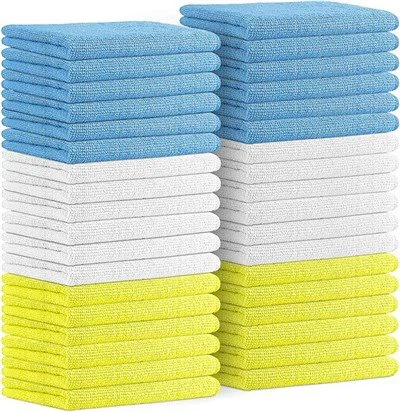
Not all dusters are created equal, and that’s a lesson I learned the hard way when a customer brought in a 1950s gilded frame that she’d scratched with a cheap polyester disposable duster. The fibers on those cheap dusters are stiff, sometimes even coated with a static cling that’s too strong, which can yank at the gilding or scratch soft finishes. So which dusters work best for frames? Let’s start with microfiber dusters—the same kind we manufacture in our workshop, and the most recommended option for frame care. Microfiber is made of tiny, split polyester fibers (way smaller than a human hair) that trap dust without needing chemicals. Unlike a cotton cloth, which can leave lint behind, microfiber holds onto particles so effectively that you can often wipe a glass frame once and it’s spotless, no water needed. I always tell customers to look for microfiber dusters with a nap length of 5 to 8 millimeters—short enough to get into tight crevices in carved wood frames, but soft enough not to scratch gilding, lacquer, or matte finishes.
Then there’s the classic lambswool duster, which has been a staple for frame cleaning for generations. Lambswool is naturally soft, has built-in static that lifts dust without abrasion, and is thick enough to cover a lot of surface area fast. The only catch? It needs to be clean. A dirty lambswool duster that’s full of trapped dust can end up scratching a frame, same as a cheap polyester one. That’s why we recommend washing lambswool dusters every 4 to 6 uses with mild detergent (no fabric softener, which coats the wool and kills the static) to keep them effective.
Now, what dusters should you absolutely avoid on picture frames? Let’s list them out, because these are the ones that cause the most damage. First, disposable electrostatic dusters—those flimsy, single-use ones from the grocery store with the yellow plastic handle. Their fibers are often thin, stiff, and not lint-free, so they can leave small scratches on glass and pull at delicate frames. Second, feather dusters. I know, I know—vintage galleries still use feather dusters, but most of the feather dusters you buy at a big box store are plucked from chickens, have sharp quills, and often leave tiny feather fragments that stick to the frame’s glass. Worse, if you press too hard, a quill can scratch a gilded finish. Third, dry paper towels or napkins. Even the “soft” kind have tiny wood pulp fibers that leave lint and can scratch glass over time. I’ve had customers bring in framed art that looked great until they wiped it with a paper towel, leaving a hundred tiny white specks on the glass that were almost impossible to get out.
But duster choice is only half the battle. How you use the duster matters just as much. Let’s walk through a step-by-step process I’ve refined with our team over the years, tested on everything from modern acrylic frames to 100-year-old oil painting frames in local museums. First, always do a dry wipe first. Never spray a cleaning solution directly onto a frame—if it seeps into the gap between the frame and the artwork, it can damage the paper, canvas, or photo inside. Even “gentle” cleaners can cause discoloration over time. Instead, use your microfiber or lambswool duster to brush the dust off the surface of the glass and frame. For flat frames, wipe in a gentle, straight motion (no circular motions, which can push dust particles into the finish) starting from the top and moving down, so you don’t leave streaks from dust falling onto a clean part of the frame.
For carved wood frames, which have lots of tiny grooves and crevices, you’ll need a slightly different technique. A standard duster’s surface is too thick to get into those spots, so we designed a specialty microfiber duster for this exact purpose—it has a thin, flexible tip that can fit into carved details without getting stuck. If you don’t have a specialty duster, you can take the corner of a clean microfiber cloth and twist it into a small point to get into those crevices. Never dig at dust with a stiff object, like a toothpick or a corner of a paper clip—you’ll scratch the wood and possibly chip the finish.
What about frames with delicate elements? Think of a frame that has hand-painted details, beaded edges, or even fabric accents (like a velvet mat around a photo). This is where you need to be extra gentle. Lambswool works well here because it’s soft, but make sure it’s clean—trapped dust can scratch paint. For beaded frames, use a dry, soft-bristled brush (like a clean makeup brush with natural bristles) along with your duster to dislodge dust from between the beads, then follow up with the duster to pick it up. Never press hard on painted or fabric details—those can flake off or tear if you apply too much pressure.
There’s one big exception to the “use a duster on frames” rule: acrylic frames. Acrylic (also called plexiglass) is a common alternative to glass for lightweight frames, especially for large sizes. Acrylic is softer than glass, so it scratches way more easily. Even a microfiber duster that’s slightly dirty can leave fine scratches on acrylic. For acrylic frames, we recommend using a static-free microfiber duster—our team tests all our dusters to make sure they’re free of abrasive particles, which is a big selling point for this use case. Also, never use a duster that’s been used on other surfaces (like your garage or your carpet) on acrylic—even a small piece of grit can cause a scratch.
I’ve seen so many customers make avoidable mistakes with frame cleaning, and most of them come down to not matching the duster to the frame. For example, a woman came to our workshop last year with a framed watercolor she’d had for 20 years. She’d been using a cheap polyester duster on its solid wood frame, and over time, the stiff fibers had scratched the finish so badly that the frame looked dull. We gave her a soft lambswool duster and walked her through the correct technique, and a month later, she sent us a photo—her frame looked almost new. Another customer, a school art teacher, was using feather dusters on the acrylic frames she hung in her classroom, and her students were complaining about streaks. We sent her a case of our static-free microfiber dusters, and she told us that within a week, the frames were spotless, and the dust stayed off longer because the microfiber traps the particles instead of just moving them around.
Now, let’s talk about when a duster isn’t the best choice. If your frame has a lot of thick, caked-on dust (like a frame that’s been stored in a basement for a year without being cleaned), a duster alone won’t get the job done. In that case, you can lightly dampen your microfiber duster with a little distilled water (tap water has minerals that can leave spots on glass or wood) to lift the caked dust, just make sure to wring the duster out so it’s barely damp—no dripping. If the frame is in a really humid space, like a bathroom, you might also want to use a duster with a small amount of anti-static spray (but only use spray made for delicate surfaces, not general furniture spray) to prevent new dust from settling for a few days.
As a duster supplier, we’ve spent years testing our products on all kinds of frames to make sure they’re safe. Every duster we manufacture goes through a scratch test on different frame materials: gilded wood, acrylic, glass, matte lacquer, and distressed finish. We even work with local art museums to test our dusters on their collection frames, so we know exactly what works and what doesn’t. That’s why we always tell potential customers that when in doubt, go with a high-quality microfiber or lambswool duster—they’re versatile, safe, and won’t damage your frames when used correctly.
I know that a lot of people overlook frame cleaning, but think about it: a picture frame isn’t just a border for your photo or artwork—it’s a protective barrier. If you damage the frame, you’re risking the thing inside, too. Dust that sits on the frame can eventually seep into the edges, trapping moisture and causing the backing paper to warp, or even leading to mold growth if your home is particularly damp. That’s why regular, gentle cleaning with the right duster is such a small investment that can save you from losing a favorite memory or a valuable piece of art.

If you’re not sure which duster is right for your frames, or if you have a specific type of frame you’re worried about cleaning, we’re here to help. Whether you’re a homeowner with a few family frames, a gallery curator with dozens of pieces, or a small business owner with office displays, we can walk you through the best options for your needs. Don’t take chances with cheap dusters that could scratch your frames—reach out to our team to discuss your requirements, and we’ll help you find the perfect duster that’s safe for your frames and effective at keeping them dust-free.
Mop Pad References
- The Spruce. "How to Clean Picture Frames Without Damaging the Artwork," 2023.
- Museum of Fine Arts, Boston. "Artwork and Frame Care Guidelines for Homes," 2022.
- Textile Institute. "Performance Characteristics of Microfiber Dust Cloths for Delicate Surfaces," 2021.
- Woodworking Network. "Protecting Wood Finishes from Abrasive Cleaning Tools," 2020.
Shanghai Zhaotine Smart Home Company Limited
We’re well-known as one of the leading dusters manufacturers and suppliers in China, specialized in providing high quality customized products. We warmly welcome you to wholesale bulk high quality dusters made in China here from our factory.
Address: Huanjing town, luhe town, textile industrial zone, Jiangsu province, China
E-mail: doris@zhaotine.com
WebSite: https://www.clean-wow.com/
