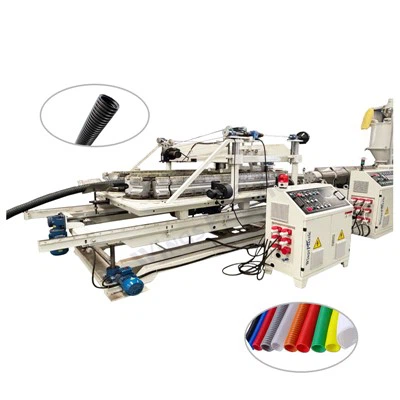
Hey there! I’m a supplier of PMMA PC pipe making machines. Over the years, I’ve seen a common headache among manufacturers using these machines: high waste rates. It’s a big deal, as waste not only eats into profits but also impacts the environment. So, let’s dig into how we can reduce that waste rate. PMMA PC Pipe Making Machine
1. Machine Maintenance and Calibration
First off, keeping your PMMA PC pipe making machine in top – notch condition is a must. I can’t stress this enough! A poorly maintained machine is more likely to produce defective pipes, leading to higher waste.
Regular inspections are key. Check for any signs of wear and tear on parts like the screws, barrels, and dies. If these components are damaged or worn, they can cause inconsistent extrusion, leading to pipes that don’t meet the required specifications. For example, a worn screw might not be able to push the PMMA or PC material through the machine at a consistent rate, resulting in pipes with uneven thickness.
Calibration is another crucial aspect. Make sure all the settings on the machine are accurate. The temperature, pressure, and speed settings need to be just right for the specific type of PMMA or PC material you’re using. Different materials have different melting points and flow characteristics, so you gotta get these settings dialed in. Incorrect settings can lead to issues like pipes that are too brittle or too soft, and these types of pipes usually end up in the waste bin.
I recommend having a maintenance schedule and sticking to it. This could include daily visual checks, weekly lubrication of moving parts, and monthly in – depth inspections. And don’t forget to keep records of all maintenance and calibration activities. It’ll help you spot any recurring issues and take proactive steps to fix them.
2. Material Quality and Handling
The quality of the PMMA and PC materials you use has a huge impact on waste rates. Always source your materials from reliable suppliers. Low – quality materials can have impurities or inconsistent properties, which can cause problems during the pipe – making process.
For instance, if the material has moisture in it, it can create bubbles in the pipes when it’s heated. These bubbly pipes are usually rejected and end up as waste. To prevent this, make sure to store your materials in a dry and clean environment. You might also want to use a dryer to remove any moisture before feeding the material into the machine.
Proper material handling is also important. Avoid over – handling the material, as it can introduce contaminants. When loading the material into the hopper of the machine, make sure it’s done cleanly and in the right amount. Overloading the hopper can lead to uneven feeding, which can cause defects in the pipes.
Another thing to consider is material recycling. If you have some scrap pipes that are still in relatively good condition, you might be able to recycle them. Some machines are equipped with a recycling system that can re – process the scrap material into usable product. This not only reduces waste but also saves on material costs.
3. Operator Training
Your machine operators are like the pilots of your production line. Well – trained operators can significantly reduce waste rates. Make sure your operators are familiar with the PMMA PC pipe making machine inside out. They should know how to operate the machine correctly, adjust the settings, and troubleshoot common problems.
Provide comprehensive training programs for new operators. This could include both theoretical and practical training. In the theoretical part, teach them about the properties of PMMA and PC materials, the working principles of the machine, and the importance of quality control. In the practical part, let them operate the machine under supervision until they’re confident enough to work independently.
For experienced operators, you can offer refresher courses and training on new features or techniques. For example, if you upgrade your machine with new software or functions, make sure the operators are trained to use them effectively.
Encourage operators to share their experiences and ideas. They’re on the front – line of production and might have some great insights on how to improve the process and reduce waste. You could even set up an incentive program for operators who manage to reduce waste rates.
4. Quality Control Measures
Implementing a strict quality control system is essential. Set clear quality standards for your PMMA PC pipes. These standards should cover aspects like diameter, wall thickness, length, and appearance.
Inspect the pipes at different stages of the production process. For example, you can do in – line inspections while the pipes are being extruded. Use sensors and measuring devices to check the diameter and wall thickness in real – time. If any deviations are detected, you can make adjustments to the machine settings immediately.
After the pipes are produced, do a final inspection. This could involve visual inspection for any surface defects like scratches, cracks, or discoloration. You can also use more advanced testing methods, such as pressure testing, to check the strength and durability of the pipes.
Keep detailed records of all quality control inspections. This will help you identify any trends in defects and take corrective actions. If you notice that a particular batch of pipes has a high defect rate, you can investigate the cause, whether it’s a problem with the machine, the material, or the operator.
5. Process Optimization
Continuously look for ways to optimize the pipe – making process. Analyze the production data to identify bottlenecks and inefficiencies. For example, if you notice that there’s a long waiting time between different stages of the process, you can look for ways to speed up the transfer of the pipes.
Experiment with different process parameters. You might be able to find a sweet spot for the temperature, pressure, and speed settings that results in the highest quality pipes with the least amount of waste. However, be careful when making changes. Make small adjustments and test the results before making any major changes to the process.
Consider using automation and robotics in your production line. Automated systems can perform tasks with a high degree of accuracy and consistency. For example, automated cutting machines can cut the pipes to the exact length, reducing the amount of waste caused by over – cutting.
Conclusion
Reducing the waste rate in the production of a PMMA PC pipe making machine is a multi – faceted challenge. It requires a combination of proper machine maintenance, high – quality material handling, well – trained operators, strict quality control, and continuous process optimization.
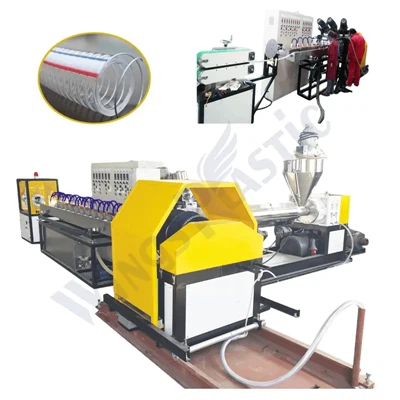
If you’re struggling with high waste rates in your PMMA PC pipe production, I’m here to help. As a supplier of PMMA PC pipe making machines, I’ve got the expertise and the resources to assist you in improving your production process and reducing waste. Whether you need advice on machine maintenance, help with material selection, or training for your operators, just reach out. Let’s work together to make your production more efficient and eco – friendly.
PPR Pipe Machine References
- "Plastics Extrusion Technology" by Allan A. Griff
- "Handbook of Polymer Science and Technology" edited by Herman F. Mark
Qingdao Wings Plastic Technology Co., Ltd.
As one of the most experienced pmma pc pipe making machine manufacturers and suppliers in China, we also support customized service. Please feel free to buy durable pmma pc pipe making machine made in China here from our factory. For price consultation, contact us.
Address: C02 Of Anshengyi Road, No.2 Fuan Industry Zone,Jiaodong Town, Jiaozhou City, Qingdao City, Shandong Province,China
E-mail: kelly@wingsplastic.com
WebSite: https://www.wingsextruder.com/
