Hey there, folks! I’m a supplier of the Automatic Production Line for Magnetic Latching Relays. Today, I wanna chat with you about a super important topic: What is the energy consumption of the automatic production line for magnetic latching relays? Automatic Production Line for Magnetic Latching Relays
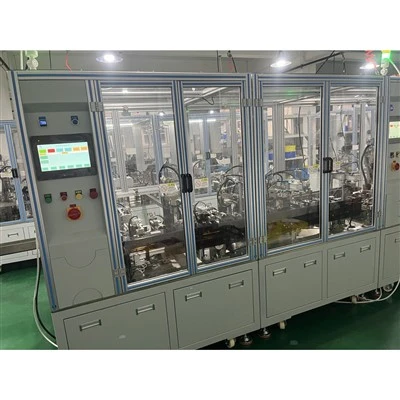
First off, let’s understand what magnetic latching relays are. These are pretty nifty devices. They use a permanent magnet to hold the contacts in position after the coil is energized. Once the contacts are set, the coil doesn’t need continuous power to keep them there. This is great for saving energy in the end – product applications. But what about the energy used when we’re making these relays on an automatic production line?
The energy consumption of an automatic production line for magnetic latching relays can vary a lot. It depends on several factors. One of the biggest factors is the type of machinery used. We’ve got all sorts of machines in the production line, from those that cut the wires to the ones that assemble the relay components and then test them.
Let’s start with the cutting and forming machines. These are usually powered by electric motors. The motors need energy to spin the blades or the forming tools. The energy consumption here depends on the size and power rating of the motor. A bigger motor will use more energy, obviously. For example, if we’re using a high – speed cutting machine with a 5 – horsepower motor, it’s gonna suck up a fair amount of electricity. On average, a 5 – horsepower motor running continuously can consume around 3.73 kilowatts per hour. But most of the time, these machines don’t run non – stop. They operate in short bursts, cutting a batch of wires and then waiting for the next batch. So, the actual energy consumption per piece of wire cut is much lower.
Next up are the assembly machines. These are the ones that put all the little bits and pieces of the magnetic latching relay together. They often use pneumatic systems along with electric motors. The pneumatic systems need compressors to generate the air pressure. Compressors are energy – hungry beasts. They need a lot of power to compress the air. A typical industrial compressor used in our production line might have a power rating of 10 – 20 kilowatts. And if it runs all day, it can really add up to a significant amount of energy consumption.
But here’s the thing. We’ve been working hard to make our assembly machines more energy – efficient. For instance, we’ve upgraded some of the motors to high – efficiency models. These motors convert more of the electrical energy into mechanical energy and waste less as heat. Also, we’ve installed sensors on the pneumatic systems. These sensors can detect when there’s no need for high – pressure air and automatically adjust the compressor settings. This way, we’re not wasting energy on keeping the air pressure high all the time.
The testing machines are another part of the production line. These machines check if the magnetic latching relays are working properly. They use electrical power to send signals through the relays and measure the responses. The energy consumption of the testing machines is relatively lower compared to the cutting, forming, and assembly machines. But since we test every single relay that comes off the production line, it still adds up. We’ve developed some smart testing algorithms that reduce the time each relay spends on the testing machine. Shorter testing times mean less energy used per relay.
Now, let’s talk about the overall energy consumption of the whole production line. If we run a medium – sized production line for 8 hours a day, 5 days a week, the total energy consumption can be in the range of several thousand kilowatt – hours per month. That’s a big number, but it’s not as bad as it sounds. When you consider the number of magnetic latching relays we produce in that time, the energy consumption per relay is actually quite reasonable.
We’re also constantly looking for ways to reduce the energy consumption even further. One idea we’re exploring is to use renewable energy sources. We’re thinking about installing solar panels on the roof of our production facility. Solar energy is clean and free once the panels are installed. It could significantly cut down our electricity bills from the grid.
Another thing we’re doing is optimizing the production line layout. By arranging the machines in a more efficient way, we can reduce the movement of the materials between the different stations. This means less energy is wasted on transporting the parts around the factory.
For those of you who are thinking about setting up a production line for magnetic latching relays or upgrading your existing one, I wanna tell you that we’ve got a lot of expertise in this area. Our automatic production lines are designed with energy efficiency in mind. We can provide you with a detailed breakdown of the energy consumption of different models of our production lines. And we’re always happy to work with you to customize a solution that fits your specific needs.
So, if you’re in the market for an Automatic Production Line for Magnetic Latching Relays and you’re concerned about energy consumption, don’t hesitate to reach out. We can have a chat about your requirements, show you how our production lines work, and discuss how we can help you save energy and money in the long run.
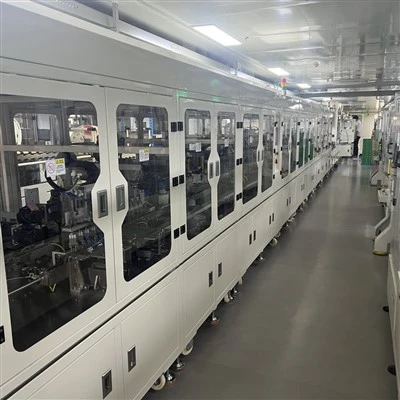
In conclusion, while the energy consumption of an automatic production line for magnetic latching relays is a significant factor, there are many ways to manage and reduce it. With the right technology and strategies, we can produce high – quality magnetic latching relays in an energy – efficient manner. If you’re interested in learning more or getting a quote for our production lines, just drop us a message. Let’s start a conversation and see how we can work together to meet your production needs.
Test Equipment References:
- "Industrial Motor Systems: Energy Efficiency and Saving Costs" by International Energy Agency
- "Pneumatic System Design and Energy Efficiency" by Compressed Air and Gas Institute
- "Renewable Energy in Manufacturing" by World Bank Publications
Yangning (Xiamen) Intelligent Technology Co., Ltd.
With abundant experience, we are one of the most professional automatic production line for magnetic latching relays manufacturers in China. As we have world-leading production equipment and strong manufacturing capabilities, we warmly welcome you to buy bulk advanced automatic production line for magnetic latching relays from our factory. Customized orders are welcome.
Address: Room 307-2, No. 15 Duiying Road, Software Park Phase III, Torch Hi-Tech Zone, Xiamen, Fujian, China
E-mail: mia@ynautos.com
WebSite: https://www.ynautos.com/
