How to Seal the Joints of UPVC Pipe Fittings Completely?
As a seasoned supplier of UPVC pipe fittings, I’ve witnessed firsthand the significance of achieving a perfect seal in pipe joints. UPVC (Unplasticized Polyvinyl Chloride) pipes are widely favored for their durability, corrosion resistance, and cost – effectiveness in various applications, from residential plumbing to industrial wastewater management. However, the integrity of an entire piping system heavily depends on how well the joints are sealed. In this blog, I’ll share comprehensive insights into sealing UPVC pipe joints completely. UPVC Pipe Fittings
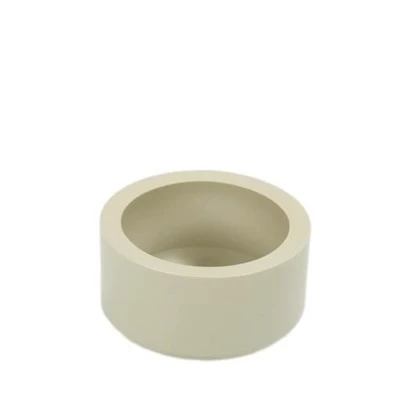
Understanding UPVC Pipe Fittings and Their Joints
Before delving into the sealing process, it’s essential to understand UPVC pipe fittings themselves. UPVC pipes and fittings are typically joined using solvent welding, mechanical couplings, or o – ring connections, each with its own unique advantages and sealing requirements.
Solvent welding is the most common method for joining UPVC pipes. This process involves using a special solvent cement that softens the surface of the pipes and fittings, creating a molecular bond when they are pressed together. Over time, the solvent evaporates, leaving a strong, leak – proof joint.
Mechanical couplings are used when a non – permanent or quick – connection solution is needed. These couplings rely on gaskets and bolts to hold the pipes together and provide a seal. O – ring connections, which are often found in applications where disassembly might be required, use an elastomeric o – ring to create a watertight seal between the pipe and the fitting.
Step – by – Step Guide to Solvent Welding
1. Prepare the Pipes and Fittings
The first crucial step in solvent welding is to ensure that the pipes and fittings are clean, dry, and free from any contaminants such as dirt, grease, or moisture. Use a clean, dry cloth to wipe the surfaces of the pipe ends and the inside of the fittings. If necessary, you can also use a mild detergent to remove stubborn dirt, followed by thorough rinsing and drying.
Furthermore, it’s essential to check that the pipe diameter and the fitting size are compatible. Slight variations in dimensions can lead to improper joint formation, which may result in leaks later on.
2. Cut the Pipes to the Right Length
Accurate pipe cutting is a key factor in achieving a good seal. Use a sharp pipe cutter or a saw specifically designed for UPVC pipes. Make a clean, straight cut perpendicular to the pipe axis. Avoid jagged or angled cuts, as they can prevent proper insertion into the fitting and compromise the seal.
After cutting, use a file or a deburring tool to remove any burrs or rough edges from the pipe ends. Smooth edges allow for better contact between the pipe and the fitting, enhancing the solvent welding process.
3. Mark the Insertion Depth
Most UPVC pipe fittings come with an insertion depth mark inside the fitting. This mark indicates how far the pipe should be inserted for a proper joint. Use a marker to make a corresponding mark on the pipe. This ensures that you insert the pipe to the correct depth, which is crucial for creating a strong and leak – free joint.
4. Apply the Solvent Cement
Once the pipes and fittings are prepared, it’s time to apply the solvent cement. Shake the can of solvent cement well before use. Using a proper applicator, apply a thin, even layer of solvent cement to both the outside of the pipe end and the inside of the fitting. Make sure to cover the entire surface up to the marked insertion depth.
The thickness of the cement layer is critical. Too thin a layer may not create a strong enough bond, while too thick a layer can cause the joint to weaken as the excess cement may not evaporate properly.
5. Join the Pipes and Fittings
Quickly after applying the solvent cement, insert the pipe into the fitting up to the marked depth. Give the pipe a quarter – turn while inserting to ensure the cement is evenly distributed around the joint. Hold the joint in place for a few seconds to allow the initial bond to form. Avoid moving or disturbing the joint for at least 10 – 15 minutes to allow the solvent to evaporate and the bond to strengthen.
Sealing Mechanical Couplings
Mechanical couplings provide a reliable way to connect UPVC pipes, especially when flexibility or disassembly is required.
1. Select the Right Coupling
Choose a mechanical coupling that is compatible with the pipe size and the application requirements. Consider factors such as pressure rating, temperature range, and chemical compatibility. Ensure that the coupling comes with high – quality gaskets that are designed to create a tight seal.
2. Prepare the Pipes
Clean the pipe surfaces thoroughly to remove any debris or contaminants. Make sure the pipes are straight and cut to the appropriate length. If the pipes have any rough edges, smooth them with a file or sandpaper.
3. Install the Coupling
Place the gasket inside the coupling housing. Align the two pipe ends and insert them into the coupling. Tighten the bolts gradually and evenly around the coupling. Use a torque wrench to ensure that the bolts are tightened to the manufacturer’s recommended torque specification. Improperly tightened bolts can lead to leaks or uneven stress distribution, which may damage the pipes over time.
Sealing O – Ring Connections
O – ring connections offer a reliable and easy – to – assemble solution for UPVC pipes.
1. Choose the Right O – Ring
Select an o – ring made of a material that is compatible with the fluid being transported through the pipes. Common o – ring materials include EPDM, NBR, and Viton, each with different chemical and temperature resistance properties. Ensure that the o – ring has the correct size and cross – section for the pipe and fitting.
2. Prepare the Pipes and Fittings
Clean the pipe ends and the grooves in the fitting where the o – ring will be placed. Apply a small amount of compatible lubricant to the o – ring to ease installation and improve the seal.
3. Install the O – Ring
Carefully place the o – ring into the groove in the fitting. Make sure it is seated properly and there are no twists or kinks. Insert the pipe into the fitting until it reaches the bottom of the fitting. Check for any signs of the o – ring being displaced during installation.
Common Mistakes to Avoid
When sealing UPVC pipe joints, there are several common mistakes that can lead to leaks or weak joints.
- Poor Surface Preparation: Failing to clean the pipes and fittings thoroughly can prevent the solvent cement from bonding properly or cause the gaskets and o – rings to not seat correctly.
- Incorrect Solvent Cement Application: Applying too much or too little solvent cement, or not spreading it evenly, can result in a weak or faulty joint.
- Rushing the Joint Assembly: Moving or disturbing the joint too soon after solvent welding or before the bolts in a mechanical coupling are fully tightened can disrupt the bond formation.
- Using Incorrect or Damaged Fittings and Sealing Components: Always ensure that you are using the correct size and type of fittings, gaskets, and o – rings. Damaged components should never be used as they may compromise the seal.
Quality Control and Testing
After sealing the joints, it’s crucial to perform quality control checks and testing to ensure the integrity of the piping system.
Visual inspection is the first step. Check the joints for any signs of misalignment, excessive cement extrusion, or damage to the gaskets or o – rings. You can also perform a pressure test on the system. Gradually increase the pressure in the pipes to the intended operating pressure and hold it for a specified period. Monitor the joints for any signs of leaks, such as drops of water or changes in pressure.
Why Choose Our UPVC Pipe Fittings for Sealing
As a trusted supplier of UPVC pipe fittings, we offer high – quality products that are designed to provide reliable seals. Our products are manufactured using the latest technology and strict quality control standards. We provide a wide range of fittings for different applications, ensuring that you can find the right solution for your project.
Our team of experts is always on hand to offer technical support and advice on how to seal the joints properly. Whether you’re a professional plumber or a DIY enthusiast, we can help you make the most of our UPVC pipe fittings and achieve leak – free joints.
PE Pipes If you’re looking for high – quality UPVC pipe fittings and want to discuss your sealing requirements, we’d love to hear from you. Reach out to us to start a procurement conversation and ensure your piping system is built to last.
References
- "UPVC Pipe Installation Manual", Various Industry Publications
- "Plumbing Handbook", Professional Plumbing Associations
- "Materials Science for Piping Systems", Academic Journals on Materials Engineering
Anhui Weidong Pipeline Technology Co., Ltd.
As one of the most professional UPVC pipe fittings manufacturers and suppliers in China, we have world-leading production equipment and strong manufacturing capabilities. Please feel free to buy high quality UPVC pipe fittings at competitive price from our factory. Welcome to contact us for quotation.
Address: No. 35 Hongyuan Avenue, Economic Development Zone, Huoshan County, Lu’an City, Anhui Province
E-mail: 18056040225@163.com
WebSite: https://www.wdpipe.com/
