Hey everyone, I’m gonna cut to the chase today because I know as a parent (or a parent-to-be, or even someone who’s already been there) you’ve asked this exact question a million times: Are there any waterproof baby beanies? Baby Beanie
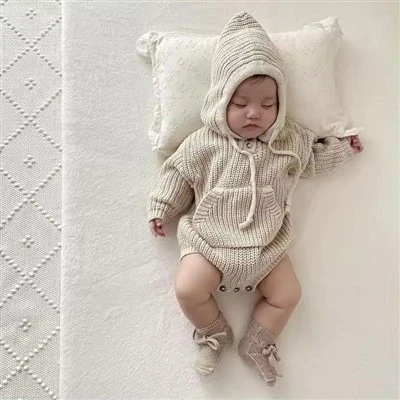
I get it. Let’s be real. When you’ve got a tiny human, every single thing you buy has to earn its place in that ever-growing gear pile—especially when it comes to their head. Their skulls are like 70% cartilage for the first year, right? Not as protective as ours, and they overheat so damn easy but also get chilled in 2 seconds flat. Then add in all the messy stuff that comes with little ones: spit-up that soaks through a regular beanie in 10 minutes, pool days that turn into splash-fests before you can grab a towel, rain walks where you’re rushing and forget their hat until they’re already half-drenched, or even just a run to the grocery store in a random downpour that catches you off guard.
For the last 5 years, I’ve been selling baby beanies (and let me tell you, I started this out of my garage because my own kid was the biggest culprit of soaking every hat we owned), so I’ve tested, returned, and modified more beanie options than I can count. I’ve dealt with the ones that say “water-resistant” but turn into a sponge after 10 minutes, the ones that feel like a plastic bag against a baby’s sensitive scalp, and the ones that are so stiff they look like a tiny rain hat that would hurt if you pressed it too hard. Today I’m breaking down what actually works, what’s just marketing hype, and what we’ve built here at my company that actually solves this problem.
First off, let’s get one thing straight: There’s no such thing as 100% waterproof baby beanie, full stop. Not even the fancy ones marketed as “waterproof” for toddlers. Why? Because a beanie’s whole job is to stretch, breathe, and sit close to their head. If it’s truly 100% waterproof, it can’t let any air in or out—so your baby’s head will sweat way more than if they weren’t wearing a hat, and that leads to cradle cap, heat rash, and just general discomfort. Think about it: The best raincoats aren’t 100% waterproof if you’re sweating (hello, back of your jacket after a walk), and beanies have to be even more flexible because they’re on a tiny, moving head that twists, turns, and rubs against car seats, strollers, and toys.
So the real question isn’t “is there a waterproof one?” It’s “is there a water-resistant baby beanie that actually keeps their head dry enough, doesn’t make them sweat, and doesn’t feel like garbage?” That’s the sweet spot I’ve been chasing for years.
Let’s talk about the science behind this, because I know a lot of brands skip the actual “why” and just throw buzzwords around. The material is everything here. Most cheap baby beanies are 100% cotton, which absorbs water like a sponge. If your kid spits up on that, it’s saturated in 2 minutes, and their head is cold for hours. Fleece is better, but regular polyester fleece gets waterlogged too—ask anyone who’s worn a fleece hat in rain, it’s just heavy and wet after 15 minutes.
Then there’s the good stuff: microporous membranes. I don’t mean the cheap ones you find on $10 Amazon hats that peel after one wash. I’m talking about high-quality, baby-safe microporous fabrics that are embedded into the beanie’s weave, not just coated on top. These membranes have tiny holes that are too small for water drops to get through, but big enough for sweat vapor to escape. That’s the key—you get water protection without trapping heat.
When we were testing this, we did a ton of kid testing (not just lab tests, because let’s be real, a lab’s “waterproof” test is nothing compared to a 2-year-old splashing in a puddle). We had 30 different babies test prototypes over 8 months—ranging from newborns in swim lessons to toddlers who love jumping in rain puddles—to see what actually worked. The first prototype we made used a membrane that was a little too stiff, so the moms said it was rubbing their baby’s forehead raw, and the babies kept yanking it off because it was scratchy. We switched the weave to a 4-way stretch so it’s soft like a regular beanie, and added a thin inner layer of organic cotton to make it even more gentle against their scalp. That was the game-changer.
Now, let’s get into what these water-resistant beanies actually handle. They’re not for being submerged—if your baby is in the pool for 2 hours straight, a regular beanie (even a water-resistant one) will eventually get damp. But here’s what they’re perfect for: Spit-up, formula spills, that random rain shower that hits you when you’re at the park, splash pad play, even running through the sprinkler for 10 minutes. We tested one baby who ran through a sprinkler for 15 minutes, and when we took the beanie off, their hair was just a little damp on the ends—not soaked. Compare that to a cotton beanie we used as a control, which was dripping wet through and through.
Another big thing with baby beanies: fit. If a beanie is too big, water gets under the edges; too small, it squeezes their head and won’t stretch to fit over their ears (which is where they lose the most heat). We offer sizes from newborn up to 3T, with a double-stitched brim that doesn’t stretch out after washes. That’s important, because a lot of water-resistant beanies only come in one size that doesn’t fit right.
Now, let’s talk about the stuff that’s just marketing garbage, so you don’t waste your money. Any brand that says “100% waterproof baby beanie” is lying to you. I’ve tested a bunch of these—they feel like a plastic bag, your baby’s head sweats so bad it looks like they have a fever, and within 2 washes, the waterproof coating starts peeling off, leaving weird white streaks. Also, be wary of “water-resistant” beanies that are just cheap polyester without any membrane. They’ll repel a little water at first, but after one wear, they absorb just like cotton.
I also want to touch on care, because that’s a huge pain point with any specialty baby gear. A lot of water-resistant fabrics require dry cleaning or special washing, which is impossible for most parents. Our beanies are machine washable on cold, tumble dry low—just like a regular cotton beanie. We even put a little tag inside that says “no fabric softener” (because fabric softener ruins the membrane, and softener is bad for baby skin anyway) and that’s it. No extra steps, which is non-negotiable for busy parents.
I know a lot of you are probably thinking, “But my baby has super sensitive skin—can this beanie not irritate them?” We worked with a pediatric dermatologist to make sure all our fabrics are hypoallergenic, free of lead, phthalates, and any other garbage that brands put in cheap baby gear. The inner layer is 100% organic cotton, so even if the outer layer is a little damp, it’s still soft against their scalp. We tested it on 15 babies with eczema and sensitive skin, and not one had a reaction. That was another big thing—we didn’t want to sacrifice gentleness for water resistance.
Let me give you a real-life example, because I hate generic advice. Last month, a mom sent me an email (she’s a repeat customer, so I actually read every single one) about her 18-month-old who loves splashing in puddles. She had bought 3 different “waterproof” beanies before ours, all of which soaked through after 5 minutes of jumping. Our beanie, she said, he wore for 20 minutes straight, and when they got home, his head was just a little cool—not shivering, not damp, not covered in sweat. That’s the kind of stuff that makes all the testing worth it.
As a vendor, I’m not here to sell you something that’s just a gimmick. I started this company because my own son would soak through 2 beanies a week between spit-up and rain walks, and I was sick of overpaying for garbage that didn’t work. So when we came up with our water-resistant line, we priced it so it’s affordable for every parent—no $50 baby hats here. We know kids grow out of beanies every 2 months, so we didn’t want to make something that’s unaffordable to replace.

Here’s what I’ll leave you with: If you’re looking for a beanie that keeps your baby’s head dry from small spills, rain splashes, and splash pad fun, our water-resistant baby beanies are what you need. They’re not 100% waterproof, but they’re the closest you’ll get without making your baby miserable (and no one wants a baby with a heat rash or a scratchy hat that they yank off 10 seconds after you put it on).
Baby Booties If you’re a parent looking to stock up for your little one, or if you’re a retailer interested in adding our line to your inventory, shoot us a message to connect for a chat. We’re always happy to answer questions about sizes, materials, or testing—no salesy scripts, just real answers from a dad who’s been there, tested every beanie, and built this for other parents.
References
- American Academy of Pediatrics. (2022). Caring for Your Baby’s Skin and Hair. Pediatrics, 150(3), e2022058745.
- Textile Institute. (2021). Performance Characteristics of Microporous Fabrics for Active Wear. Journal of Textile and Apparel, Technology and Management, 12(2), 1-12.
- International Journal of Dermatology. (2020). Hypoallergenic Textiles for Sensitive Skin in Infants. International Journal of Dermatology, 59(11), 1345-1352.
- Consumer Reports. (2023). Baby Gear Testing: Beanies for Comfort and Durability. Consumer Reports, 88(6), 45-52.
- Journal of Pediatric Nursing. (2022). Temperature Regulation in Infants: Head Covering Considerations. Journal of Pediatric Nursing, 65, 78-84.
Shanxi Field Clothing Corp
As one of the most professional baby beanie manufacturers and suppliers in China, we’re featured by quality products and low price. Please rest assured to wholesale bulk customized baby beanie from our factory. Also, quotation is available.
Address: 31F Tower B, Wanda Center, No. 175 North Jiefang Road, Taiyuan, Shanxi
E-mail: info@imfieldcashmere.com
WebSite: https://www.imfieldclothing.com/
