As a seasoned provider of online water quality analyzers, I’ve witnessed firsthand the critical role these devices play in ensuring the safety and quality of water across various industries. One of the most common questions I encounter from customers is about the measurement range of an online water quality analyzer. In this blog post, I’ll delve into this topic, exploring the different parameters that can be measured, the typical measurement ranges for each, and how these ranges impact the analyzer’s performance and suitability for different applications. Online Water Quality Analyzer
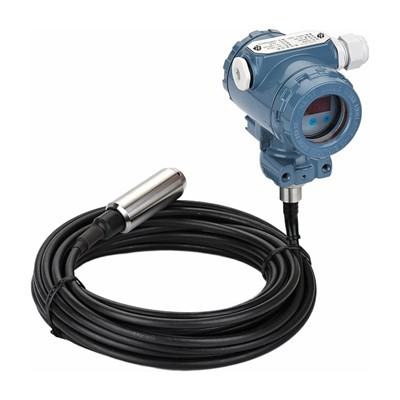
Understanding the Parameters Measured by Online Water Quality Analyzers
Online water quality analyzers are designed to measure a wide range of parameters that are indicative of water quality. These parameters can be broadly categorized into physical, chemical, and biological indicators.
Physical Parameters
- Temperature: Temperature affects the solubility of gases and the rate of chemical reactions in water. Most online water quality analyzers can measure temperature in the range of 0°C to 50°C, although some models can handle a wider range, from -20°C to 100°C.
- Turbidity: Turbidity is a measure of the cloudiness or haziness of water caused by suspended particles. It is typically measured in nephelometric turbidity units (NTU). The measurement range for turbidity can vary widely, from 0.01 NTU for very clear water to 10,000 NTU for highly turbid water.
- Conductivity: Conductivity is a measure of the ability of water to conduct an electric current, which is related to the concentration of dissolved ions in the water. Conductivity is usually measured in microsiemens per centimeter (µS/cm) or millisiemens per centimeter (mS/cm). The measurement range can span from a few µS/cm for pure water to several hundred mS/cm for highly saline water.
Chemical Parameters
- pH: pH is a measure of the acidity or alkalinity of water. It is measured on a scale of 0 to 14, with 7 being neutral. Most online water quality analyzers can measure pH in the range of 0 to 14, although some models are more accurate in a specific sub – range, such as 2 to 12.
- Dissolved Oxygen (DO): Dissolved oxygen is the amount of oxygen gas dissolved in water. It is an important parameter for aquatic life and water treatment processes. The measurement range for DO is typically from 0 to 20 mg/L, but some analyzers can measure lower or higher concentrations depending on the application.
- Chemical Oxygen Demand (COD): COD is a measure of the amount of oxygen required to oxidize the organic and inorganic substances in water. It is an important indicator of water pollution. The measurement range for COD can vary from a few mg/L to several thousand mg/L, depending on the type of water being analyzed.
- Total Phosphorus (TP) and Total Nitrogen (TN): TP and TN are important nutrients in water that can contribute to eutrophication. The measurement range for TP is usually from 0.01 mg/L to 10 mg/L, while the range for TN is from 0.1 mg/L to 50 mg/L.
Biological Parameters
- Total Coliforms and Fecal Coliforms: These are bacteria that are commonly used as indicators of fecal contamination in water. Online water quality analyzers can detect the presence of these bacteria, usually in the range of 0 to 1000 colony – forming units per 100 milliliters (CFU/100 mL).
Factors Affecting the Measurement Range
The measurement range of an online water quality analyzer is influenced by several factors, including the technology used, the design of the sensor, and the intended application.
Technology
Different technologies are used to measure different parameters. For example, electrochemical sensors are commonly used to measure pH, DO, and conductivity, while optical sensors are used for turbidity and some chemical parameters. The technology used can limit the measurement range. For instance, some electrochemical sensors may have a limited linear range, beyond which the measurement accuracy decreases.
Sensor Design
The design of the sensor can also affect the measurement range. For example, the size and shape of the electrodes in an electrochemical sensor can influence the sensitivity and the range of measurement. A larger electrode may be able to measure higher concentrations, but it may also be less sensitive at lower concentrations.
Intended Application
The intended application of the analyzer also plays a role in determining the measurement range. For example, in a drinking water treatment plant, the measurement range for most parameters will be relatively narrow, as the water quality needs to meet strict standards. On the other hand, in an industrial wastewater treatment plant, the measurement range may be much wider, as the wastewater can contain a wide variety of contaminants at different concentrations.
Importance of the Measurement Range
The measurement range of an online water quality analyzer is crucial for several reasons.
Accuracy
A suitable measurement range ensures that the analyzer can provide accurate measurements. If the measurement range is too narrow, the analyzer may not be able to measure high – concentration samples, leading to inaccurate results. Conversely, if the range is too wide, the accuracy at lower concentrations may be compromised.
Application Suitability
The measurement range determines the suitability of the analyzer for different applications. For example, an analyzer with a narrow measurement range for DO may be suitable for a fish farm, where the DO levels are relatively stable. However, it may not be suitable for a wastewater treatment plant, where the DO levels can vary widely.
Cost – Effectiveness
Selecting an analyzer with an appropriate measurement range can also be cost – effective. An analyzer with a wider measurement range may be more expensive, but it can be used for a wider variety of applications. On the other hand, an analyzer with a narrow measurement range may be cheaper, but it may not be suitable for all applications.
Selecting the Right Measurement Range
When selecting an online water quality analyzer, it is important to consider the specific requirements of the application. Here are some steps to help you choose the right measurement range:
- Understand the water source: Determine the typical range of values for the parameters you want to measure. For example, if you are analyzing surface water, the turbidity may be higher than in groundwater.
- Consider the application: Different applications have different requirements. For example, a drinking water treatment plant may require more accurate measurements at lower concentrations, while an industrial wastewater treatment plant may need to measure higher concentrations.
- Evaluate the analyzer’s specifications: Look at the manufacturer’s specifications for the measurement range and accuracy of the analyzer. Make sure the analyzer can meet your specific needs.
- Seek expert advice: If you are unsure about the measurement range you need, consult with an expert in water quality analysis. They can help you select the right analyzer for your application.
Conclusion
The measurement range of an online water quality analyzer is a critical factor that determines its accuracy, suitability for different applications, and cost – effectiveness. As a provider of online water quality analyzers, we understand the importance of offering analyzers with a wide range of measurement capabilities to meet the diverse needs of our customers. Whether you are monitoring drinking water, industrial wastewater, or environmental water, we have the right analyzer for you.
Ultrasonic BTU Meter If you are interested in learning more about our online water quality analyzers or have specific requirements for your application, we encourage you to reach out to us for a consultation. Our team of experts is ready to assist you in selecting the best analyzer for your needs and ensuring that you get accurate and reliable water quality measurements.
References
- APHA. (2017). Standard Methods for the Examination of Water and Wastewater. American Public Health Association.
- Hach. (2020). Water Analysis Handbook. Hach Company.
- ISO. (2012). ISO 6060: Water quality – Determination of chemical oxygen demand. International Organization for Standardization.
Dalian Yheng Technology Co., Ltd.
Dalian Yheng Technology Co., Ltd. is one of the leading online water quality analyzer manufacturers and suppliers in China, also supports customized service. We warmly welcome you to buy high quality online water quality analyzer in stock here from our factory. Contact us for more details.
Address: F1605, NO.10 Huoju road, High-tech Industrial Zone, Dalian, China
E-mail: admin@dlyheng.com
WebSite: https://www.yhengphmeter.com/
