Vibration is a common physical phenomenon that can significantly impact the performance of leakage detection cables. As a supplier of leakage detection cables, I have witnessed firsthand how vibration can introduce challenges and influence the accuracy and reliability of these crucial safety devices. In this blog, I will delve into the various ways vibration affects the performance of leakage detection cables, exploring the underlying mechanisms and offering insights into mitigating strategies. Leakage Detection Cable
Impact on Electrical Conductivity
Leakage detection cables rely on electrical conductivity to detect the presence of liquid. When a cable comes into contact with a conductive liquid, such as water or a chemical solution, it completes an electrical circuit, triggering an alarm. Vibration can disrupt this electrical conductivity in several ways.
First, vibration can cause mechanical stress on the cable, leading to the formation of microcracks or breaks in the conductive elements. These physical damages can interrupt the flow of electricity, resulting in false alarms or a complete failure of the detection system. For example, in industrial settings where heavy machinery generates constant vibrations, the cables may be subjected to repeated stress, gradually degrading their electrical performance.
Second, vibration can cause the cable to move or shift within its installation environment. This movement can lead to changes in the cable’s position relative to the liquid being monitored. If the cable is not in direct contact with the liquid, the electrical conductivity may be compromised, and the detection system may fail to detect a leak. In addition, the movement of the cable can also cause it to rub against other objects, further increasing the risk of damage.
Influence on Signal Transmission
In addition to affecting electrical conductivity, vibration can also impact the signal transmission of leakage detection cables. These cables typically use a variety of technologies to transmit signals, such as analog or digital communication protocols. Vibration can introduce noise and interference into the signal, making it difficult for the detection system to accurately interpret the data.
For example, in a noisy industrial environment, the vibrations from machinery can generate electromagnetic interference (EMI) that can disrupt the signal transmission of the leakage detection cable. This interference can cause the signal to become distorted or corrupted, leading to false alarms or inaccurate readings. To mitigate this issue, it is important to use cables that are designed to be resistant to EMI and to install them in a way that minimizes exposure to sources of vibration.
Effects on Cable Durability
Vibration can also have a significant impact on the durability of leakage detection cables. Over time, the repeated stress caused by vibration can lead to wear and tear on the cable, reducing its lifespan and increasing the risk of failure. This is particularly true in applications where the cable is exposed to high levels of vibration, such as in transportation or industrial settings.
To improve the durability of leakage detection cables, it is important to choose cables that are made from high-quality materials and are designed to withstand the rigors of the environment in which they will be used. For example, cables that are made from flexible and resilient materials, such as silicone or polyurethane, are more likely to withstand the effects of vibration than cables that are made from rigid materials. In addition, it is important to install the cables in a way that minimizes stress and vibration, such as using cable supports or vibration isolators.
Mitigating Strategies
To minimize the impact of vibration on the performance of leakage detection cables, several strategies can be employed. These strategies include:
- Proper Installation: Ensuring that the cables are installed correctly is crucial for minimizing the effects of vibration. This includes using cable supports and vibration isolators to reduce stress on the cable and prevent it from moving or shifting. In addition, it is important to ensure that the cables are installed in a way that minimizes exposure to sources of vibration, such as heavy machinery or equipment.
- Use of Vibration-Resistant Cables: Choosing cables that are specifically designed to be resistant to vibration can help to improve the performance and durability of the detection system. These cables are typically made from materials that are more flexible and resilient, and they may also include features such as shielding or insulation to reduce the effects of EMI.
- Regular Maintenance and Inspection: Regular maintenance and inspection of the leakage detection system can help to identify and address any issues that may be caused by vibration. This includes checking the cables for signs of damage or wear, testing the detection system to ensure that it is functioning properly, and replacing any components that are no longer working.
- Monitoring and Alarm Systems: Installing monitoring and alarm systems can help to detect any changes in the performance of the leakage detection system, including those caused by vibration. These systems can provide real-time alerts when a leak is detected or when the performance of the system is compromised, allowing for prompt action to be taken.
Conclusion

Vibration can have a significant impact on the performance of leakage detection cables, affecting their electrical conductivity, signal transmission, and durability. As a supplier of leakage detection cables, it is important to understand the ways in which vibration can affect these devices and to take steps to mitigate its effects. By using proper installation techniques, choosing vibration-resistant cables, performing regular maintenance and inspection, and installing monitoring and alarm systems, it is possible to ensure the reliable and accurate performance of leakage detection systems in a variety of applications.
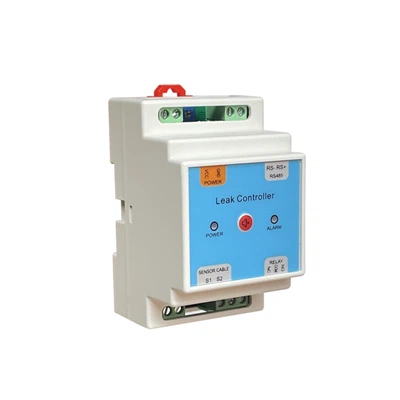
Leakage Detection Controller If you are interested in learning more about our leakage detection cables or would like to discuss your specific requirements, please feel free to contact us. Our team of experts is available to provide you with the information and support you need to make the right choice for your application.
References
- [List of relevant industry standards and research papers on leakage detection cables and vibration]
- [Any technical documentation provided by cable manufacturers regarding vibration resistance]
Shenzhen Goldkoon Automation Equipment Co., Ltd.
As one of the most professional leakage detection cable manufacturers and suppliers in China, we also support customized service. Please feel free to wholesale advanced leakage detection cable made in China here from our factory. Contact us for more details.
Address: 3rd Floor, Building 3, Mingrenju Industrial Park, No. 10, Maotian Road, Kengzi Sub-district, Pingshan District, Shenzhen City, Guangdong Province, China
E-mail: gold@goldkoon.com
WebSite: https://www.goldkoonsensor.com/
