Hey guys, let’s cut to the chase. If you’re scrolling through fabric options for curtains and stumbled on French Terry, you’re probably wondering what’s up—especially since you know it mostly from hoodies and loungewear, right? As a French Terry supplier who’s talked to hundreds of folks asking this exact question, I’m here to break it down, no fancy jargon, and call it like it is. French Terry

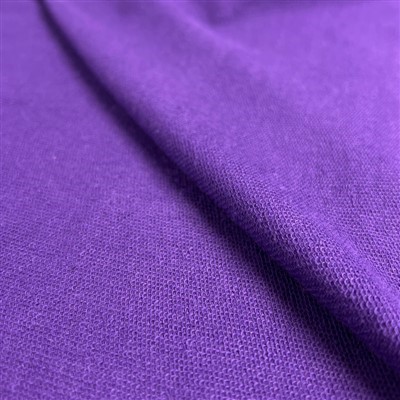
First, let’s recap what French Terry even is, because a lot of people mix it up with other fleece or knit fabrics. French Terry is a loop-back knit—so one side’s those soft, absorbent loops (think the inside of a hoodie you love to rub), and the other side’s smooth, like a t-shirt. It’s made mostly from cotton these days, though you can find poly-blends too, which add stretch or durability. I sell both pure organic cotton French Terry and poly-cotton blends, because different uses need different stuff.
Now, back to the big question: can you make curtains with it? Short answer: yeah, but it’s not for every kind of curtain. Wait, before you roll your eyes and think “that hoodie fabric is too casual,” hear me out. I’ve had interior designers, small boutique decor shops, and even regular homeowners hit me up for French Terry curtains in the last year—mostly for things like bedroom drapes, casual living room side curtains, nursery blackout liners (wait, no, more on that later), and even patio side curtains that don’t need to hold up to extreme weather. It’s not for formal dining room floor-to-ceiling velvet curtains, but for low-key, cozy spaces? It slaps.
Let’s talk about the pros first, because that’s what makes it worth considering. First, comfort vibe, obviously. Curtains are such a sensory thing—you don’t want that scratchy polyester stuff that makes your room feel like a doctor’s office. French Terry is soft to the touch, so when you brush past them, it’s not a sharp, plastic-y feeling. A lot of my customers say it makes their bedrooms feel like a big, cozy blanket for the windows, which is chef’s kiss for a space you want to unwind in.
Then there’s absorbency. Wait, that’s a big one for people who live in humid climates, or have bathrooms with window curtains, or even just the part of the living room that gets splashed with rain when the window’s open. French Terry’s loops are designed to hold moisture, so it’ll soak up that excess humidity way better than a flat cotton curtain. I had a client in Florida tell me she used French Terry curtains in her guest bathroom, and they didn’t get that musty mildew smell that regular cotton does—because the fabric wicks the moisture instead of letting it sit. That’s a win.
Durability? Wait, don’t sleep on that. I get a lot of people who think knits stretch or pill too easy, but good French Terry (the kind I sell, anyway) has a tight loop structure that doesn’t pill much. And because it’s a knit, it’s more flexible than woven fabrics like cotton twill or linen—so it holds up better to being opened and closed a hundred times a day. I’ve had a nursery client whose toddler tugs on the curtains nonstop for two years, and the French Terry’s still going strong, no holes, no stretched-out hems.
Also, sound dampening. Wait, that’s a secret superpower of French Terry. The loop structure is thick enough to muffle outside noise—like street traffic, neighbors’ barking, that weird AC hum from the next building. I had a guy who worked from home on the second floor of a busy apartment building switch his living room curtains from thin linen to French Terry, and he said he could actually focus now without turning his speaker up so loud. That’s not something you expect from a loungewear fabric, right?
Now, let’s be real, the cons—because I’m not gonna lie to you, I’m in the fabric game, I see both the good and the bad. First, light control. French Terry is not the best for blackout curtains. Unless you line it with a heavy blackout fabric, the loops are porous enough that a lot of light seeps through. That’s fine for bedrooms where you want soft morning light, or living rooms that don’t need total dark, but if you’re making curtains for a home theater or a kid’s naptime space where zero light is non-negotiable, French Terry’s not your guy. I always tell people that: if you need 100% blackout, pair the French Terry as the outer layer and add a blackout liner behind it.
Second, shrinkage. Pure cotton French Terry can shrink up to 5-7% when you wash it, right? So if you’re cutting it for curtains, you have to pre-wash and dry it first—no exceptions. A lot of first-timers skip that step, and then their perfectly cut curtains turn into little skinnies after the first wash. The poly-cotton blends I sell have way less shrinkage, like 1-2%, so that’s a safer bet if you don’t want to deal with pre-washing. But if you go 100% cotton, pre-wash is non-negotiable.
Third, weight. French Terry’s not heavy enough for very long, wide curtains that hang all the way to the floor without sagging. Wait, that’s not always a bad thing—if you want casual, loose, flowy curtains, the lightweight knit of French Terry is perfect. But if you want a structured, formal curtain that holds its shape, it’ll sag a little over time. I had a designer client try it for a floor-to-ceiling living room curtain, and she ended up adding a weighted rod to keep it from slouching too much. It worked, but it’s something to plan for.
Fourth, cleaning. If you spill wine, coffee, or dirt on French Terry, the loops will hold onto that stain way more than a flat woven fabric. You can’t just dab it and forget it—you have to treat it right away. But wait, that’s manageable, right? And if it’s curtains that you take down and wash every few months, that’s fine. Just don’t use a harsh detergent, because that can break down the loops and make it pill. Stick to mild, liquid detergent, and air dry if you can—high heat in the dryer can make the shrinkage worse on pure cotton.
Now, let’s get into actual use cases, because that’s where French Terry shines. I’ve seen it work best for:
-
Bedroom curtains, especially for adults or older kids who like soft, cozy vibes, and don’t need total blackout. The soft touch when you’re climbing into bed, the light sound dampening, it’s perfect.
-
Nursery curtains. Again, soft for little hands that tug, the absorbency is great if the baby spits up or spills juice, and it’s way less scratchy than most nursery fabrics. Just make sure you pre-wash, and maybe line it if you need a little more light control for naptime.
-
Casual living room or sunroom curtains. If you don’t have super formal decor, and you want curtains that feel welcoming, not stiff, French Terry is ideal. It holds up to sun exposure better than some woven fabrics, actually—most of the French Terry I sell has a UV treatment, so it doesn’t fade as fast as linen or cotton. I have a sunroom client who’s had hers up for three years, and they look almost the same as the day we delivered them.
-
Small window side panels, like bathroom windows, basement windows, or laundry room windows. These don’t need to be floor-length or super structured, and the absorbency is perfect for those humid, messy spaces.
Wait, what about people who want to make custom curtains? I help a lot of small businesses and individual customers pick the right French Terry for their projects. For example, if you’re making a pair of 84-inch bedroom curtains, I’d recommend a medium-weight poly-cotton blend (65% cotton, 35% poly) because it has enough structure to hang nicely, low shrinkage, and the loops are thick enough for good sound dampening. If you’re making a pair of 45-inch small bathroom curtains, go for a lightweight pure organic cotton French Terry—super soft, absorbent, easy to handle.
I also get a lot of questions about curtain liners. Can you use French Terry as a liner? Absolutely! If you have a heavier woven outer curtain, adding a French Terry liner will give you that extra sound dampening and a softer touch. Just make sure the liner is the same size as the outer curtain, and hem it properly so it doesn’t bunch up.
Another thing to consider: care. French Terry curtains are actually pretty easy to maintain, as long as you follow a few simple rules. Like I said before, pre-wash all pure cotton fabric before cutting. Wash in cold water, gentle cycle, use mild detergent. Don’t use fabric softener—wait, why? Because fabric softener coats the loops of French Terry, and makes it less absorbent. You want those loops to stay fluffy and able to soak up moisture, right? So skip the softener. Air dry if you can, or use a low-heat dryer setting. High heat will shrink pure cotton, and can make the loops flatten out.
Let’s talk about common myths, because I hear these all the time. Myth #1: French Terry is only for loungewear. Dude, that’s so not true. It’s a versatile knit that’s used for everything from athletic wear to baby blankets, so why not curtains? The loop structure is actually perfect for home textiles that need to be soft and functional. Myth #2: It’s too casual for any room. If your whole house is modern minimalist, maybe not, but if you like cozy, boho, coastal, casual farmhouse, or even mid-century modern (if you pick a neutral color, like gray, beige, or off-white), it fits right in. I have a coastal client who uses light blue French Terry curtains in her living room, and it ties in perfectly with her beach decor. Myth #3: It pills like crazy. Good French Terry (the kind I sell, I should add) has a tight, well-twisted loop that doesn’t pill much. I’ve had customers use theirs for two years, and the only pilling is minor on the edges where they rub against the rod. You can just trim that with fabric scissors, no big deal.
Wait, let’s circle back to my experience as a supplier, because that’s what makes this real. I started selling French Terry as a side project from my garage, back when my little sister kept asking for more hoodies that didn’t pill. But over the last three years, I’ve noticed way more demand for home goods fabric, especially for curtains. People are tired of the same old linen and polyester curtains that are either too scratchy, too see-through, or too hard to clean. They want something that feels good, works for their space, and isn’t just a generic fabric from a big box store.
I had a client last month who used French Terry for her home office curtains, because she works from home and lives on a busy street. She said the sound dampening cut out about 40% of the outside noise, which was a game-changer for her meetings. That’s the kind of win I love seeing—using a fabric that people associate with loungewear for something that actually makes daily life easier.
So, to wrap this up, should you use French Terry for curtains? Here’s my simple checklist:
- Do you want soft, cozy curtains that feel good to touch? If yes, go for it.
- Do you need light to filter through, not total blackout? If yes, perfect.
- Is your space casual, or can you make French Terry work with neutral colors? If yes, great.
- Can you handle pre-washing pure cotton, and maybe adding a liner for extra light control? If yes, this is a solid choice.
If you answered no to any of those—like you need total blackout for a home theater, or you want a super structured formal curtain—then French Terry might not be right. But for most everyday spaces, it’s totally worth trying.
As a French Terry supplier, I’ve got a huge range of fabrics to pick from—different weights, blends, colors, even organic options if that’s important to you. Whether you’re a home decor shop, an interior designer, or just a regular person looking to spruce up your windows, I can hook you up with the right French Terry for your curtain project. No bulk orders required, no weird minimums, just good fabric and straight-up advice.
If you’re ready to chat about your project, or have more questions about French Terry for curtains, hit me up. I’m here to help you pick the right fabric, answer any weird questions about shrinkage or care, and make sure your curtains turn out exactly how you want them.
French Terry References:
- Textile Institute. (2021). Knit Fabric Performance Characteristics for Home Textiles. Journal of Textile and Apparel, Technology and Management, 12(3), 1-12.
- Cotton Council International. (2022). French Terry: Properties and End Uses. Cotton Home Goods Resource Guide.
- ASTM International. (2020). Standard Test Method for Shrinkage of Knit Fabrics. ASTM D4903-20.
- Interior Designers Association. (2023). Non-Traditional Fabrics for Curtains: A Practical Guide. Home Decor Trends Report.
Shaoxing Xinlian Dyeing & Weaving Industrial Teade Co., Ltd.
We’re well-known as one of the leading french terry manufacturers and suppliers in China. With a professional production team, we are able to meet the needs of the majority of our customers. Please rest assured to wholesale bulk customized french terry from our factory.
Address: Building 3-2, Huangxian Village, Lanting Subdistrict, Keqiao District, Shaoxing City, Zhejiang Province, China
E-mail: inquiryxinlian@163.com
WebSite: https://www.xinliantextile.com/
